
Introduction
Ask anyone who has spent real time in Indian procurement and they will give you a version of the same story. A vendor who goes quiet right before a critical delivery. A purchase order sitting in someone’s inbox for four days waiting on an approval. Prices that made sense last quarter suddenly are not making sense anymore. The work sounds simple from the outside, buy things, get a good price, make sure they show up. But anyone who has actually done it knows how much invisible effort holds the whole thing together.
That is the reality against which the use of AI in procurement is starting to mean something concrete. Not as a concept, but as a practical shift in how procurement teams spend their time and make their decisions. Indian businesses manufacturers, distributors, retail chains, infrastructure companies are moving in this direction. Some carefully, some quickly. But the direction is consistent.
This guide covers ten specific areas where AI is making a real difference in procurement, written with the Indian business context in mind, for 2026.
Why Procurement in India Is Overdue for a Change
Indian businesses have run procurement on relationships, experience, and hard work for a long time. It has worked but the environment has changed faster than the processes have kept up.
GST brought documentation requirements that added to the administrative load. Supply chains became more layered as companies sourced from more places. Compliance expectations grew. And through all of this, procurement team sizes largely stayed flat while transaction volumes kept climbing.
A procurement head of a company once said something that stuck “We are always putting out fires. We never actually get in front of anything.” That is not a reflection on the people. It is what happens when a function is stretched thin and has limited visibility into what is happening across vendors, contracts, and spend categories all at once.
AI is well-suited to exactly these problems. Not because it is clever, but because it handles volume, pattern recognition, and monitoring at a scale that frees up people to focus on the parts of procurement that genuinely need human judgment.
Ten Powerful Uses of AI in Procurement

3.1 Intelligent Supplier Discovery & Shortlisting
Most procurement teams have a preferred vendor list they rely on heavily. Ask them honestly and they will tell you they rarely look beyond it, not because it is the best possible list, but because evaluating new suppliers properly takes time nobody has spare.
AI supplier discovery tools pull from trade databases and industry directories to surface vendors that genuinely fit what you need: right product category, right location, relevant certifications, and a checkable track record. A manufacturer in Coimbatore sourcing specialised components no longer needs two weeks of cold calls to find three viable options. The system surfaces them faster, and the team focuses on evaluation instead of the hunt.
3.2 Automated Purchase Order Processing
Processing purchase orders is necessary work. It is also largely repetitive checking requisitions, confirming budgets, verifying vendors, drafting POs, routing for approvals. Done at volume, it swallows workdays.
Automating this is one of the most straightforward ai use cases in procurement because results show up fast. Cycle times drop. Errors become rare. Approvers receive clean, complete requests instead of half-finished ones. The team does not disappear; they redirect their time toward things that actually need judgment, not just data entry.
3.3 AI-Driven Demand Forecasting
Getting quantities wrong in procurement is expensive either way. Too much stock ties up working capital in warehouses. Too little means emergency shipments at two or three times the normal rate, usually at the worst possible moment.
AI forecasting looks at historical buying patterns, sales trends, seasonal cycles, and external factors like supplier lead times to give a far more grounded picture of what actually needs to be ordered and when. For Indian businesses in FMCG or healthcare where demand swings sharply around festivals or illness seasons this kind of accuracy directly affects the bottom line.
3.4 Smart Contract Management
Contracts are where procurement value quietly leaks away over time. Not dramatically, but steadily through renewal clauses nobody caught, price escalation terms that went unquestioned, SLAs that stopped being enforced after the first few months.
AI contract tools read through documents, extract key terms, compare against standard templates, and flag what looks unusual or risky. They also track timelines which contracts renew next month, which ones have performance triggers that have not been acted on. This is one of the most underused ai use cases in procurement in India. The savings are invisible because they appear as problems that simply never happened.
3.5 Spend Analytics & Cost Optimisation
There is a particular kind of uncomfortable silence when a procurement team first sees a proper spend analysis. Suddenly visible who bought what, from whom, at what price, across every department and location.
The use of AI in procurement for spend visibility consistently surfaces things nobody knew were happening. Three departments buying identical items from different vendors at different prices. A supplier charging noticeably more than two years ago with no formal review. Categories where consolidating purchases would unlock better pricing. None of it requires wrongdoing; it just happens when procurement runs in silos. AI builds the consolidated view that makes these patterns visible.
3.6 Supplier Risk Assessment
A meaningful portion of India’s supplier base consists of smaller businesses lean, relationship-driven, and sometimes financially fragile. When they run into trouble, they rarely announce it. Deliveries start slipping. Communication becomes patchy. By the time a procurement team realises something is wrong, production is already affected.
AI risk monitoring picks up early signals shifts in delivery performance, financial news, regulatory changes, unusual patterns in communication or behaviour. It does not catch everything. But getting two or three weeks of early warning to start qualifying a backup vendor is a very different position from finding out when a shipment simply does not arrive.
3.7 Fraud Detection & Compliance Monitoring
Procurement fraud rarely looks dramatic. It shows up in small things an invoice slightly higher than the last several from the same vendor, a supplier who was added without going through the proper approval process, a payment that went out twice because the second invoice had a minor variation in formatting.
These are exactly the things human reviewers miss when they are processing high volumes. AI compares every transaction against patterns and against each other constantly. Something that looks too similar to a previous invoice gets flagged. A vendor whose bank account matches another in the system gets flagged. A purchase that bypassed the standard approval path gets flagged before the money moves, not after an audit six months later.
3.8 Chatbots for Internal Procurement Queries
Sit with a procurement team for one day and count the interruptions. Where is my order? Which vendor should I use for this category? Do I need three quotes for this value? What budget is left in this cost centre?
Each one takes a few minutes. Across a week it adds up to hours of broken focus. AI chatbots connected to the procurement system handle all of these without interrupting anyone. People get answers immediately. The procurement team keeps their attention on decisions that actually need them. Teams that have implemented this say the difference is noticeable within the first few weeks.
3.9 Dynamic Pricing & Market Intelligence
For businesses buying commodities or price-sensitive materials steel, polymers, chemicals, packaging, when you buy can matter as much as who you buy from. Yet most teams are working off monthly price sheets or whatever their supplier quotes them on a given day.
The use of AI in procurement for pricing intelligence monitors market rates across sources and sends alerts when conditions shift in your favour. It does not make the decision, it makes sure you are not buying blind. Over a full financial year, timing a handful of significant purchases well can move total procurement costs in ways that are very hard to achieve through negotiation alone.
3.10 Sustainability & ESG Monitoring in Supply Chains
A few years ago this topic would have felt distant for most Indian procurement teams. Today it is a genuine and growing requirement driven by export clients wanting supply chain disclosures, investors asking harder questions, and domestic environmental regulations tightening gradually.
AI use cases in procurement in this space involve scoring vendors on environmental and labour practices, tracking compliance with relevant standards, and flagging supply chain segments that carry reputational or regulatory risk. Building this into vendor evaluation now is far less painful than being forced into it by an audit or a client ultimatum later.
The Real Challenges Nobody Talks About
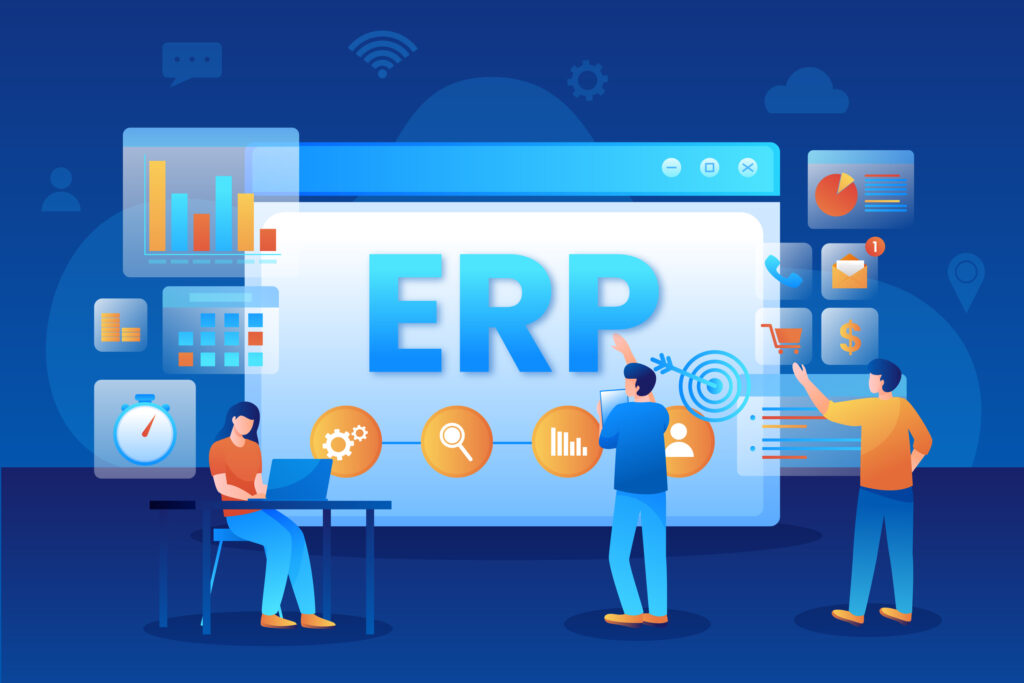
Data is almost always the first real obstacle. AI tools need reasonably clean, consistent data to produce reliable output. In many Indian companies, procurement data lives across an ERP, several spreadsheets, and the institutional memory of people who have managed certain vendor relationships for years. Some consolidation is needed before any tool can do useful work. Skipping this step and expecting the system to sort it out is how AI projects earn a bad reputation quickly.
How the change is introduced to the team matters enormously too. Procurement professionals who have run things a particular way for years are not automatically going to be enthusiastic about a system that automates parts of their job. The organisations that handle this well involve their people in choosing and configuring the tools rather than presenting a finished system and asking everyone to adapt overnight.
Integration with older ERP systems common in Indian companies takes more time and budget than most plans account for. That is worth knowing upfront and planning for honestly rather than discovering it three months in.
So Where Do You Actually Start?
Pick the single most painful part of your current procurement process. The one that consumes the most time or causes the most problems. Find one tool that specifically addresses that problem. Run it properly for three to four months and measure what changed.
While doing that, invest time in cleaning up your data vendor master records, transaction categories, approval workflows. Not perfect, just consistent enough for a system to work with.
Find one person on your team who is genuinely curious about this and give them real ownership of the implementation. Internal champions who understand both the procurement process and the tool consistently make a bigger difference than any outside consultant.
When the first thing works, the second step is always easier to justify and faster to execute.
Conclusion
The use of AI in procurement is not about replacing the experienced professionals who manage vendor relationships and make sourcing calls. Those skills remain central. What AI does is clear away the noise, the repetitive processing, the manual monitoring, the data gaps so those skills can be applied where they actually matter.
For Indian businesses in 2026, the question is not whether AI belongs in procurement. It does. The question is how to start practically, prove something real, and build from there. Start with a genuine problem. Get the data in order. Bring the team along. The companies making the most progress are not the ones with the largest budgets, they are the ones that started with something specific and kept going.