Traditional procurement is a popular approach that has been used for many years to acquire products and services. It uses a manual, paper-based procurement procedure in which transactions are requested, received, and processed using physical documentation. However, e-procurement, a new procurement technique, has surfaced as an alternative to traditional procurement with the development of technology and the growth of digitalization.
Comprehending Traditional Procurement
Standard procurement follows an array of standardized rules and regulations that have been improved upon throughout time. Determination of needs, vendor selection, negotiation, contract creation, and execution of orders are some of the procedures involved. To guarantee that goods and services are acquired effectively and efficiently, these procedures are followed in order.
The Fundamentals of Conventional Procurement

Identifying the needs of the organization is the first step in the typical procurement process. Anything from office supplies to manufacturing raw materials could fall under this category. Following the identification of the demands, vendors are assessed according to a number of factors, including cost, dependability, and quality. Negotiations are then held with the chosen vendor to ascertain the terms and conditions of the purchase.
Organizations may carry out in-depth research to learn more about possible suppliers throughout the vendor selection process. Analyzing supplier performance indicators, looking over customer reviews, and evaluating the vendor’s financial soundness could all be part of this study. Companies may make sure they are working with trustworthy and respected vendors by carrying out in-depth assessments.
Following the conclusion of the talks, a contract is made to formally
Important Aspects of Conventional Procurement
A number of essential characteristics define traditional procurement. First of all, it makes extensive use of paperwork and manual procedures, which can be laborious and error-prone. Companies can use specialized procurement teams or staff to handle the administrative duties involved in traditional procurement, like creating purchase orders, checking invoices, and keeping track of suppliers.
Second, the lead time between determining a need and obtaining the goods or services is usually lengthy in traditional procurement. This may impede efficiency and slow down operations. In order to make sure that they have the resources they need when they need them, organizations may need to carefully organize their procurement efforts.
Because traditional procurement does not offer real-time visibility into the procurement process, it may also lack transparency. Because of this, it may be challenging for businesses to monitor the progress of their orders or spot procurement process inefficiencies. But thanks to technological developments, procurement software solutions have been created that increase automation and transparency while also boosting the effectiveness of conventional procurement.
Conventional Procurement’s Function in Business
For many years, traditional procurement has been a vital corporate function and the foundation of supply chain management. It has been essential in making sure that businesses have the tools they need to function well.
Traditional procurement helps companies get the most value for their money by carefully choosing suppliers and negotiating advantageous terms. To reduce expenses and get competitive pricing from suppliers, businesses may use auction procedures. Organizations may maximize their return on investment and optimize their spending by using this strategic approach to procurement.
The Transition To Online Procurement System
E-procurement has come to prominence as a more streamlined and efficient option to traditional procurement in recent years due to technological advancements. E-procurement automates and streamlines the procurement process by utilizing digital platforms and electronic technology.
Understanding of E-Procurement System
The term “e-procurement” describes the practice of conducting procurement operations using electronic systems and technologies. It includes a variety of digital tools, such as automated workflows, electronic bidding platforms, and online catalogs. With the use of these tools, businesses can increase productivity, cut expenses, and simplify their procurement procedures.
The Benefits of Online Procurement System
Compared to traditional procurement, e-procurement has a number of benefits. First of all, it lessens the administrative load related to handling physical papers by doing away with the necessity for manual documentation. Time and resources that could be used for more strategic endeavours are freed up as a result.
Second, firms can attain increased visibility and transparency into their procurement procedures with e-procurement. Organizations can check the status of their orders, spot bottlenecks, and make well-informed decisions with the help of real-time tracking and reporting features.
By enabling price comparisons and guaranteeing competitive bidding among suppliers, e-procurement also encourages cost savings. Businesses can easily obtain several bids and negotiate advantageous terms by utilizing internet channels. By enabling price comparisons and guaranteeing competitive bidding among suppliers, e-procurement also encourages cost savings. Businesses can easily obtain several bids and negotiate advantageous terms by utilizing internet channels.
Additionally, e-procurement improves supplier-buyer cooperation and communication. E-procurement platforms’ digital nature facilitates smooth communication, resulting in quicker reaction times and enhanced supplier relationships.
How E-Procurement Operates
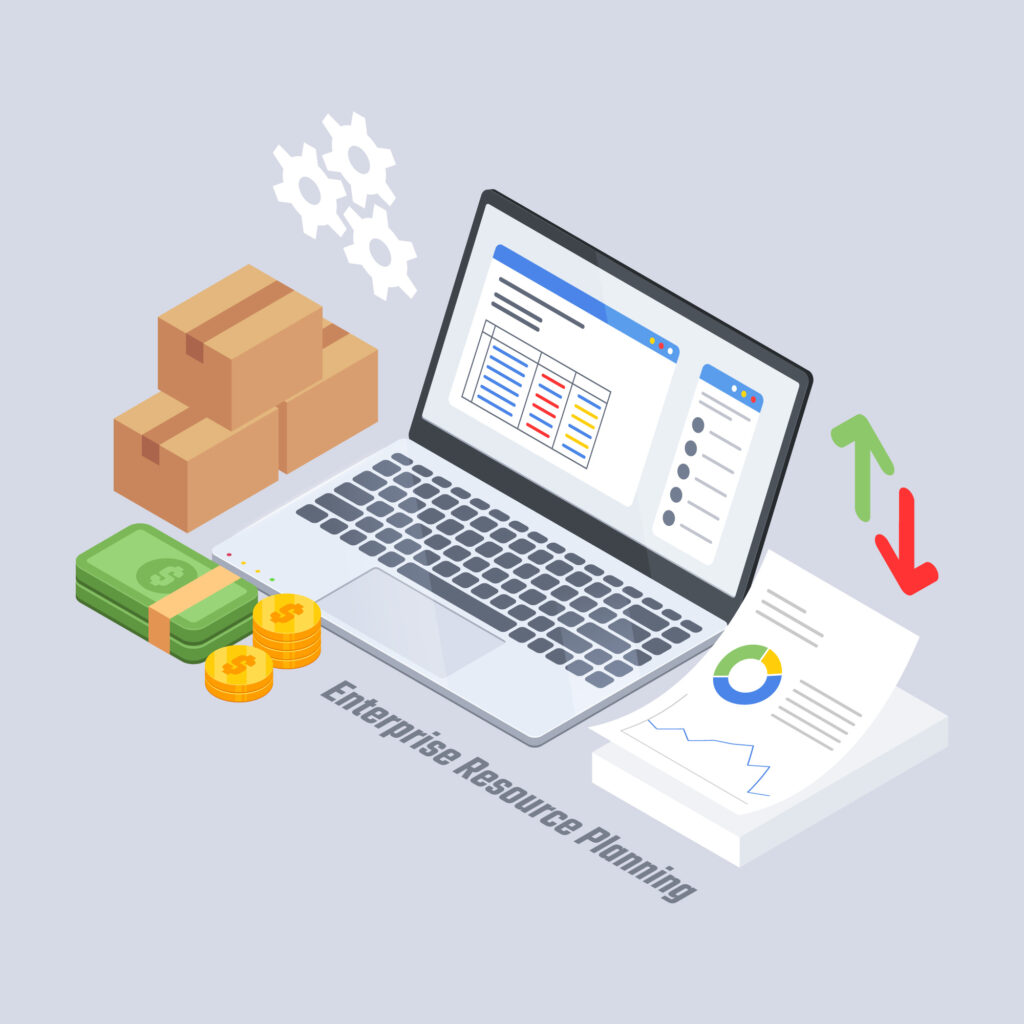
E-procurement entails a number of crucial procedures. First and foremost, companies must put in place an e-procurement system or e-procurement software that fits their procurement requirements. For smooth data integration, this system ought to interface with current enterprise resource planning (ERP) systems.
After it is put into place, businesses can make electronic brochures of the products and services that authorized vendors provide. Customers may choose products with ease thanks to these catalogues, which act as a single repository of goods, costs, and specifications.
Purchase order creation and management are also made easier by e-procurement platforms, which streamline the approval process and forward the orders to the relevant parties for authorization and evaluation.
Additionally, electronic tendering and negotiation are made possible by e-procurement platforms, which expedite the vendor selection process. Electronic bids from suppliers are accepted, and companies can review and contrast the proposals to reach well-informed conclusions.
To ensure complete visibility and control over the procurement process, e-procurement platforms also offer features for order tracking, invoice management, and supplier performance evaluation.
E-Procurement: Illustrations
Examining real-world online procurement system examples from a variety of industries might help one better grasp how e-procurement functions in practice. Using online procurement systems, which allow businesses to browse digital supplier catalogues, compare prices, and make orders electronically, is one typical example. For example, centralized e-procurement systems are frequently used by government organizations to oversee extensive purchasing, guaranteeing cost-effectiveness, compliance, and transparency.
Platforms for electronic tendering are another well-known instance of e-procurement. These enable suppliers to submit proposals, allowing companies to swiftly assess offers and select the best deal via online procurement system. Furthermore, businesses frequently combine e-procurement with ERP systems to expedite invoice reconciliation, automate purchase approvals, and follow order status in real time.
E-Procurement and Traditional Procurement Differences
There are notable distinctions between traditional procurement and e-procurement, despite the fact that both approaches are used to acquire goods and services.
Parallels between Online Procurement System and Conventional Procurement
E-procurement and traditional procurement have several things in common, despite their differences. Identifying needs, choosing a vendor, negotiating, creating a contract, and fulfilling orders are all part of both approaches. Meeting the organization’s buying needs is the ultimate objective of both strategies.
Additionally, comprehensive vendor evaluation and consideration of elements like price, quality, and dependability are necessary for both traditional procurement and e-procurement. In both situations, businesses want to get the most out of their investments and cultivate a good rapport with their suppliers.
The Distinctions between E-Procurement and Conventional Procurement
E-procurement and traditional procurement are different in a number of important ways. First off, e-procurement makes use of digital platforms and electronic technologies, whereas traditional procurement depends on manual procedures and tangible paperwork. Because of this essential distinction, e-procurement can provide increased transparency, cost savings, and efficiency.
The procurement process’s speed is another obvious distinction. With lengthier lead times between determining needs and getting goods or services, traditional procurement can be time-consuming. E-procurement, on the other hand, simplifies the procedure, allowing for quicker order fulfilment and a shorter cycle time overall.
Selecting Between E-Procurement and Conventional Procurement
An organization’s unique needs and circumstances will determine whether to use traditional procurement or e-procurement. E-procurement has several benefits that are too great to be overlooked, even though traditional procurement may still be appropriate for some companies.
Businesses should think about implementing an online procurement system, if they want to increase productivity, cut expenses, and obtain real-time insight into the procurement process. Organizations can increase supplier relationships, expedite their procurement procedures, and spur corporate expansion by utilizing digital platforms and automation.
How Technology Affects Procurement
The future of procurement will continue to be significantly shaped by technology. Technologies like cloud computing, big data analytics, and the Internet of Things (IoT) will become essential to procurement processes as businesses embrace digital transformation.
Web-based procurement tools will make it possible for businesses to operate remotely and collaborate by allowing them to access and manage procurement data from any location. Organizations will be able to examine enormous volumes of procurement data, spot trends, and make data-driven choices thanks to big data analytics.
IoT devices will also give businesses real-time insights into supply chain operations, allowing them to monitor shipments, improve inventory levels, and proactively handle possible problems.
Note: To sum up, there are two different ways to acquire products and services: traditional procurement and e-procurement. E-procurement makes use of digital platforms and electronic technologies, whereas traditional procurement depends on manual procedures and tangible paperwork. Increased efficiency, cost savings, transparency, and quicker order fulfillment are just a few benefits of online procurement system. However, an organization’s unique needs and circumstances will determine whether to use traditional procurement or e-procurement. Organizations must adopt sustainability practices, embrace technology improvements, and cultivate cooperative ties with suppliers if they want to remain competitive in the future. By implementing this, businesses can successfully navigate the constantly shifting procurement landscape.