
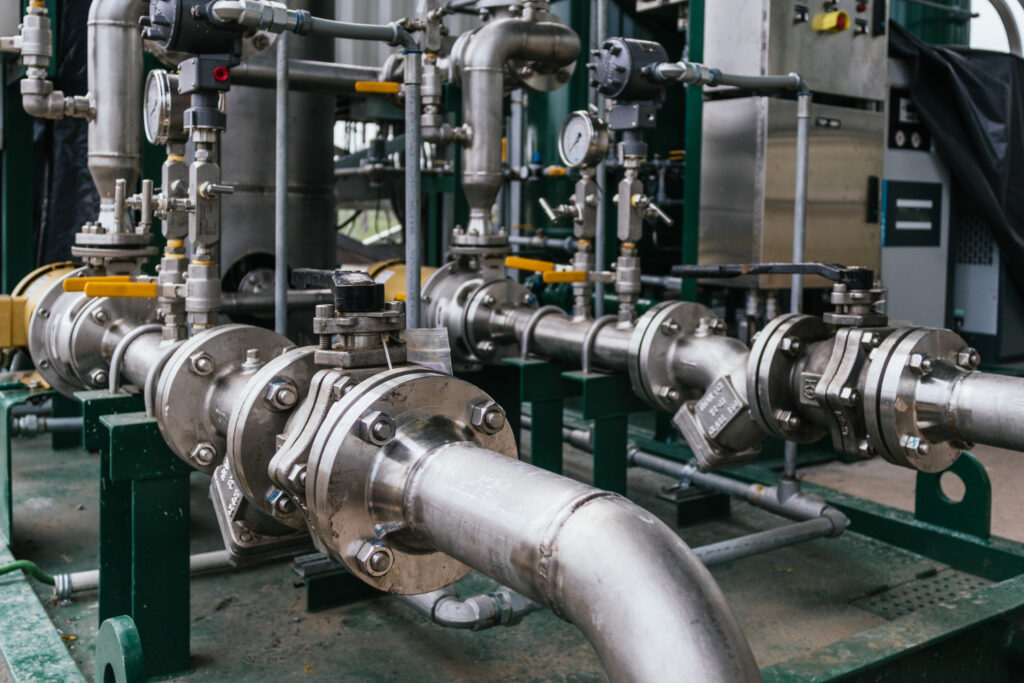
High-stakes industries like water treatment, power, and oil and gas depend heavily on India’s valve sector. Finding the best Public Sector Undertaking (PSU) partners, negotiating complicated vendor registration procedures, and grasping the technical complexities of bidding are all necessary for success in this cutthroat environment.
Vendor Registration: The Point of Entry
You must register on certain procurement platforms in order to provide valves to the government and PSUs.
Principal Portals:
- The central B2G marketplace for all common-use products and services is called GeM (Government e-Marketplace).
- The Central Public Procurement Portal (CPPP) is used for special PSU requirements and high-value tenders.
Crucial Qualifications:
- Digital Signature Certificate (DSC): For safe online bidding, a Class-3 DSC is required.
- Company Documents: PAN, GST registration, and Udyam/MSME certificates are examples.
- Financials: Standard criteria include audited balance sheets and profit and loss statements for the previous three years.
- Industry-Specific Standards: The majority of PSUs demand documentation of adherence to global standards like ISO 9001, API 594 (Check Valves), and API 6D (Pipeline Valves).
Strategies for Winning Valve Bids
It takes more than just the lowest price to win a tender; technical compliance is frequently the first obstacle.
- Technical Accuracy: Verify that your product precisely complies with the Bill of Quantities (BOQ). Disqualification may result from even small variations in material grade, such as stainless steel against cast iron.
- Previous Performance: Provide completion certifications from other reputable PSUs and highlight the “Largest Single Order” completed. Vendors with a track record of success are highly preferred by government bodies.
- Quality Assurance Plan (QAP): Be ready to submit a comprehensive QAP that includes results from certified third-party inspectors on hydrostatic and fire testing.
- Tactical Pricing: To comprehend market-facing price points, use “Contractor Intelligence” technologies or past tender outcomes. Your quote needs to account for things like after-sales warranty, taxes, and logistics.
- Monitor Corrigendum: To make sure your submission is still valid, regularly check portals like National Tenders or TenderDetail for changes or deadline extensions.
Leading PSU Businesses & Portals
India’s valve demand is primarily driven by major PSUs. They frequently keep their own vendor portal.
| PSU CategoryOil & Gas | Key CompaniesONGC, IOCL, BPCL, GAIL | Dedicate ONGC e-Procurement, GeMd Portal |
| Power | NTPC, BHEL |
NTPC Vendor Portal |
| Infrastructure | Engineers India Ltd (EIL) |
EIL Tenders |
| Defense/Marine | Cochin Shipyard, MIDHANI | DefProc |
Key Considerations in Valve Procurement
- Material Certification: Offering comprehensive Material Test Certificates (MTC) that include physical and chemical characteristics.
- API Standards: Oil and gas installation valves must adhere to API 6D and API 594.
- Quality Plan: Manufactured goods’ approved Quality Assurance Plan (QAP).
- Warranty: Usually needed for up to 30 months following delivery.
Important Valve Types and Industry Uses (H6)
Valves are usually specified by tenders according to industry and function.
- Ball, Butterfly, Gate, Globe, Check, and Needle valves are common varieties.
- Actuation can be either automatic (pneumatic, electric actuators) or manual (gear-operated for >150 NB).
- Oil and gas, petrochemical, water treatment, HVAC, firefighting, and nuclear power are important industries.
- Material Selection: Common materials with stringent corrosion resistance requirements include carbon steel (WCB), stainless steel (CF8/CF8M/304/304L), and specialty alloys.
Technical Specification Understanding (The STAMPED Method) (H7)
Use the STAMPED approach to interpret technical requirements in order to guarantee compliance:
- Size: Nominal Bore (NB), Pressure Class (such as ANSI 150, 300, or 800 pounds).
- Temperature: Body and seat ratings.
- Application: Safety relief, regulation, or isolation.
- Media: Chemical compatibility, gas, slurry, or fluid.
- Pressure: Operating and design pressures.
- End Connections: Welded, threaded (BSPT/NPT), or flanged (SORF/WNRF).
- Delivery: Time and place.
Crucial Requirements and Certification
Adherence to global norms cannot be compromised.
- Testing: ISO 5208 (Tightness) and API 598 (Valve Inspection & Testing).
- Design: ASME B16.34 (Pressure-Temperature Ratings), API 600 (Gate).
- Fire Safety: ISO 10497 and API 607.
- Material: ASTM casting and forging standards.
Step-by-Step Guide to the Tender Process
- Vendor Registration: Sign up on e-tender, GeM, and EIL, among other e-procurement portals.
- Techno-Commercial Bid (Part-I): Includes technical specifications, QAP (Quality Assurance Plan), vendor assessment forms, and historical performance records.
- Price Bid (Part II): Submitted independently; the lowest bidder, or L1, is typically selected.
- Earnest Money Deposit (EMD): Typically needed to win the auction.
- Reverse Auction: Some tenders employ this strategy to further reduce the prices offered by eligible bidders.
Documentation and Quality Control (H10)
The quality of a bid’s paperwork frequently determines whether bid wins.
- QAP: The buyer must accept a comprehensive Quality Assurance Plan that covers the stages of manufacture, testing, and inspection.
- Document Package: As-built drawings, torque calculation reports, and material test certifications (chemical and physical).
- Third-Party Inspection (TPI): Often mandated by organizations such as BVIS, DNV, or TUV.
Typical Pitfalls (H11)
- Incomplete QAP: Not obtaining QAP approval before manufacturing.
- Incorrect Material: Using the incorrect MOC (Material of Construction) (e.g., 304 instead of 304L).
- Ignoring Torque Specifications: Actuated valve torque values are not submitted.
Advice for Winning Contracts (H12)
- Emphasis on Warranty: Long warranty durations, such as 30 to 60 months, are frequently sought after in government tenders.
- Give Technical Deviations: Any variations from the specifications should be clearly noted; unapproved deviations may result in rejection.
- Previous Experience: List comparable contracts (valve supply) over the previous seven years.
- Examine the Vendor List: Make sure you are listed on the client’s Approved Vendor List (AVL) (e.g., BHEL, NTPC).
Industry Buying App

An Industry Buying App: What Is It?
For B2B (business-to-business) procurement, an industry buying app allows businesses, such as manufacturers, contractors, and engineers, to:
- Look for industrial goods
- Examine suppliers and prices
- Place orders in bulk
- Monitor deliveries
- Utilize digital procurement management
Important Features of Industry Buying App
- Product Comparison & Search: Easily locate goods and evaluate costs from several suppliers
- Purchasing in Bulk: Designed for bulk purchasing
- Several Vendors: Access to reputable manufacturers and suppliers
- Invoicing and Digital Payments: Invoices, secure payments, and GST billing
- Order Monitoring: Tracking shipments in real time
- Management of Procurement: Helps companies make their purchase process more efficient
Why Companies Use Industry Buying Apps
- Saves time in contrast to conventional procurement
- Lowers expenses by comparing prices
- Increases openness
- Makes managing vendors easier
- Allows for quicker decision-making
What Companies Buy on an Industry Buying App?
These applications usually provide a variety of industrial classifications, including:
- Tools and machinery
- Electrical apparatus
- Building supplies
- PPE, gloves, and helmets are examples of safety equipment
- Supplies for offices and maintenance
- Unprocessed materials
Well-Known Example of Industry Buying App
Industrybuying is a well-known website in India that links companies with providers of industrial goods and services.
Industry Buying Seller Portal
An Industry Buyer-Seller Portal: What Is It?
It is an online marketplace created especially for companies, where:
- Contractors, manufacturers, PSUs, and businesses are examples of buyers who publish specifications or look for products
- Manufacturers, distributors, and wholesalers list their goods and services
- Online, both parties communicate, bargain, and finish transactions
Important Features of an Industry Buyer-Seller Portal
- Listings and Catalogs of Products
- Request for Quotation (RFQ)
- Bulk Order Management System
- Supplier Verification
- Rating & Reviews
- Safe Payments & Invoicing
How Industry Buyer-Seller Portal Operates
- The vendor registers and lists goods and services
- The buyer posts or looks up a requirement (RFQ: Request for Quotation)
- Several vendors reply with quotes
- Price, quality, and delivery terms are compared by the buyer
- The order is completed and handled digitally
What These Industry Buyer-Seller Portals Have to Offer
- Tools and equipment used in industry
- Building supplies
- Mechanical and electrical equipment
- Unprocessed materials
- Engineering services
Advantages of Industry Buyer-Seller Portals
For Purchasers:
- Having access to several providers in one location
- Competitive rates
- Quicker procurement procedure
- Comparability and transparency
For Vendors:
- Expand your clientele
- Create inquiries and leads
- Boost sales without using a lot of marketing
- Increase brand awareness
Notable Examples of Industry Buyer-Seller Portals in India
- Industrybuying
- IndiaMART
- TradeIndia
- Government e-Marketplace
Conclusion
In conclusion, a strategic combination of technical know-how, compliance, and astute procurement techniques is necessary to thrive in India’s cutthroat valve sector tender scene. Every stage is crucial to winning contracts, from completing vendor registration on sites like Government e-Marketplace and Central Public Procurement Portal to pursuing high-value opportunities with top PSUs like Oil and Natural Gas Corporation, Indian Oil Corporation Limited, and NTPC Limited.
Success for valve manufacturers and contractors now depends on achieving stringent technical requirements, guaranteeing quality certifications, and showcasing demonstrated project experience rather than just offering reasonable pricing. Procurement can be further streamlined, vendor visibility increased, and decision-making improved by utilizing contemporary solutions like industry buying apps and buyer-seller portals like Industrybuying and IndiaMART.
Businesses that remain compliant, digitally equipped, and strategically positioned will have a significant competitive advantage as PSUs continue to drive demand across the oil and gas, power, and infrastructure sectors. In India’s changing industrial ecosystem, valve industry participants can achieve steady growth, long-term contracts, and sustainable success by understanding tender procedures, upholding high standards, and cultivating strong PSU connections.