Table of Contents
1. Introduction: From RFQ to Purchase Order in the Digital Era
2. Sourcing Software: What Is It?
3. How Sourcing Software Streamlines the RFQ-to-PO Process
4. Key Advantages of Sourcing Software
5. Essential Functions of Sourcing Software
6. The Importance of Strategic Procurement Solutions
7. Role of Sourcing Software in Strategic Sourcing Services
8. Core Capabilities Supporting Strategic Sourcing
9. How Sourcing Software Supports Strategic Business Goals
10. Impact of Sourcing Software on Procurement Strategy in 2026
11. Conclusion: Transform Procurement from RFQ to PO with Intelligent Sourcing Software
Sourcing Software: What Is It?

Sourcing software is a complete digital solution that streamlines and automates every step of the procurement process, from contract negotiation and performance tracking to supplier identification and RFx (Request for Proposal, Information, or Quotation) management. These systems enable procurement teams to function more effectively and strategically by improving transparency, agility, and operational control.
When used properly, sourcing software is a vital component of strategic sourcing services, enabling businesses to reduce maverick expenditure, make data-driven decisions, and guarantee better supplier compliance.
Sourcing software simplifies each stage of the procedure in the following ways:
1. Request and Preliminary Configuration:
Centralized Intake: A computerized dashboard is used to manage requisitions, doing away with the disorganized “paper-on-desk” method.
Structured needs: Using pre-made templates, the program enables procurement teams to transform ambiguous requests into comprehensive, standardized RFQs, guaranteeing that all required specifications (quantities, delivery terms, technical needs) are included.
2. Invitation and Selection of Suppliers:
Automated Supplier Management: Users can swiftly choose pre-qualified providers thanks to an integrated vendor database.
Easy Distribution: RFQs are sent to specific suppliers through the platform’s supplier portal in place of manual email blasts, guaranteeing that they are received on time.
3. Analysis and Response Management:
Standardized Responses: Instead of using different PDFs or email language, suppliers submit quotations straight into the platform, guaranteeing data is in a consistent, comparable manner.
Automated Comparison: To make it simple to compare prices, terms, and delivery schedules, the software automatically gathers bids and displays them side by side in a tabular format.
AI-Powered Analysis: Cutting-edge systems are able to evaluate bids based on variables other than price, like quality, supplier risk, and total cost of ownership (TCO).
4. Assessment, Discussion, and Award:
Objective Decision-Making: Using the platform, procurement teams rate providers according to predetermined standards like dependability and quality.
Simplified Negotiation: The program makes it easier to communicate quickly and openly with suppliers, which speeds up discussions.
Automated Approval Workflow: The system automatically sends the choice to authorized staff for approval after a vendor is chosen.
5. The creation and issuance of purchase orders (POs):
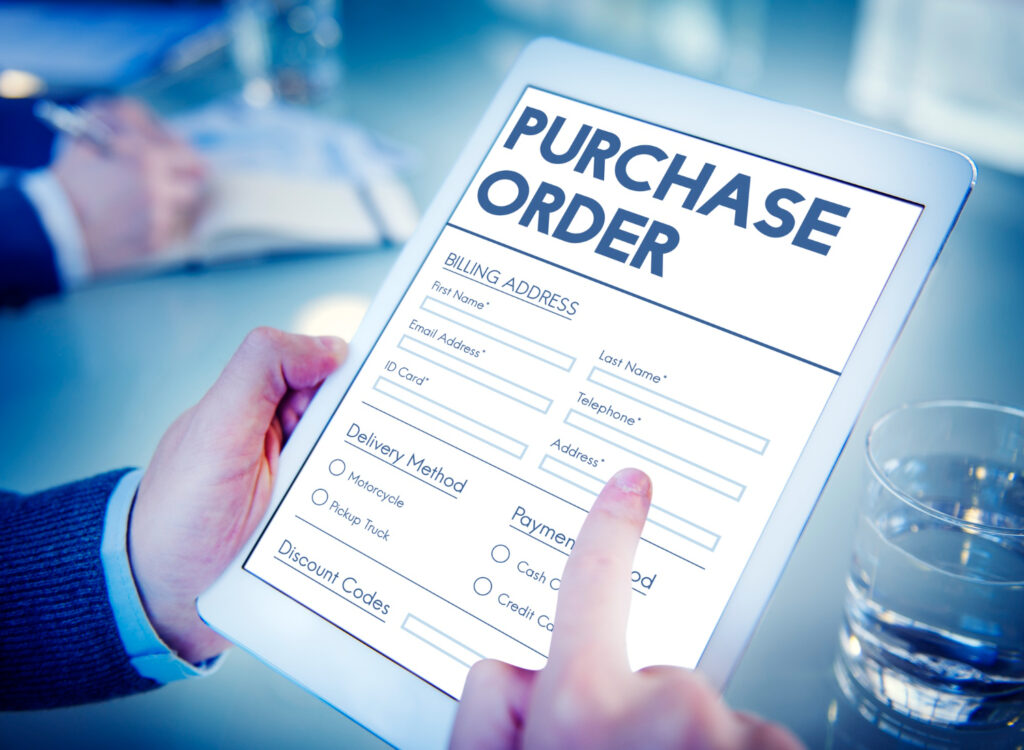
Conversion with Just One Click: In order to reduce human error and guarantee consistency between the bid and the order, the authorized quote is immediately transformed into a purchase order.
ERP Coordination: For smooth, paperless procurement, the generated PO is automatically synchronized with the current ERP systems.
Important Advantages of Sourcing Software
Decreased Cycle Times: Much quicker procurement cycles are made possible by the transformation of the laborious, manual procedure.
Cost Reductions: Improved data analysis and increased supplier competitiveness frequently lead to 5–45% procurement cost savings.
Improved Compliance: Transparency is increased and conformity to internal policies is guaranteed by the creation of a comprehensive, centralized audit trail.
Improved Vendor Relationships: Suppliers can more easily submit precise, superior bids thanks to the organized approach.
Essential Functions of Software Sourcing
Spend Analysis and Visibility: By automatically compiling and categorizing past spending data, software enables teams to find ways to cut costs, get rid of “maverick” spending, and use total purchasing volume as leverage in negotiations.
Supplier Identification and Vetting: AI-driven technologies explore international databases to locate and pre-qualify suppliers according to specific standards including technical proficiency, financial stability, and ESG compliance.
Simplified RFx and eSourcing: Requests for Information (RFI), Proposals (RFP), and Quotations (RFQ) are created and distributed automatically via platforms. They provide side-by-side bid comparisons for quicker decision-making and enable competitive bidding through reverse auctions.
Contract Lifecycle Management (CLM): By centralizing contract storage, tracking renewal dates, and monitoring adherence to agreed-upon terms, sourcing software lowers the possibility of financial or legal problems.
Supplier Relationship Management (SRM): In order to promote long-term, mutually beneficial collaborations, SRM offers a single interface for real-time cooperation with vendors, monitoring their performance against key indicators (KPIs).
Risk mitigation: Real-time supplier health and global market trends are tracked by advanced analytics, which notify teams of possible disruptions—such as material shortages or geopolitical unrest—before they impact the supply chain.
The Significance of Strategic Procurement Solutions
Securing goods and services at the lowest cost is only one aspect of strategic procurement solutions. They seek to match procurement procedures with more general business objectives, including long-term value generation, sustainability, risk management, and compliance.
Among the main advantages of strategic procurement solutions are:
-
- Increased transparency about supplier performance and total cost of ownership Centralized information and analysis to facilitate well-informed decision-making
-
- Smooth cooperation between internal groups and outside vendors
-
- Automation of laborious sourcing procedures
-
- Flexibility to grow and adjust to changing business requirements
Modern sourcing software, which enables procurement teams to transition from transactional, reactive tasks to strategic, proactive value delivery, is the foundation of these solutions.
Sourcing Software’s Function in Strategic Sourcing Services
By centralizing procedures, automating jobs like RFPs, and offering data-driven insights for improved supplier selection, negotiation, and risk management, sourcing software is essential for strategic sourcing. It turns procurement from a cost centre into a strategic advantage through increased visibility, efficiency, and alignment with corporate objectives. It enables cost reductions, risk reduction, and improved supplier relationships by offering a single platform for supplier data, workflows, and performance tracking.
Important Functions of Sourcing Software in Strategic Sourcing
Process automation: Reduces human labor and error by automating repetitive operations like data entry, bid gathering, and RFP/RFQ generation.
Centralized System: Provides total insight by offering a single, unified system to handle the whole sourcing lifecycle, from contract administration to supplier discovery.
Data-Driven Judgments: Supports well-informed decisions by offering analytics for supplier performance monitoring, expenditure analysis, and cost-saving options.
Improved Collaboration: Ensures alignment and expedites decision-making by facilitating real-time communication and document sharing between internal departments and suppliers.
Risk management: Facilitates ongoing monitoring and thorough supplier risk assessments (financial, compliance, and geopolitical), strengthening the resilience of the supply chain.
Better Negotiation: Gives teams access to comprehensive data so they can negotiate better terms, prices, and contracts, which can result in large cost savings.
Supplier Relationship Management: It facilitates the development of solid, long-lasting alliances by guaranteeing regular performance monitoring and simplifying communication.
How Strategic Goals Are Supported
Reduce Expenses: Uses spend analysis and optimal sourcing techniques to find areas where money can be saved.
Improved Efficiency: Enhances procurement workflow overall and reduces sourcing cycle durations.
Strategic Alignment: Makes a direct connection between procurement operations and overall business goals, such innovation or sustainability.
Innovative Thinking: Promotes cooperative R&D and aids in locating creative suppliers.
Impact on Strategy for 2026
Leading companies are using AI-native sourcing suites (like Coupa, SAP Ariba, and Zycus) more frequently in 2026 in order to:
Cost Acceleration: Using automated negotiating to achieve 5–15% cycle time reductions and substantial yearly savings.
Sustainability Objectives: Using ESG scores directly when choosing suppliers in order to comply with more stringent reporting requirements such as the CSRD.
Global Resilience: Using predictive logistics analytics and real-time compliance tracking to manage intricate cross-border supply chains.
Conclusion: Transform Procurement from RFQ to PO with Intelligent Sourcing Software
Organizations can no longer manage sourcing activities with disjointed, manual procedures as procurement functions become more complicated and business demands rise. Sourcing software is essential for optimizing procurement processes, increasing accuracy, and facilitating quicker, data-driven decisions from the development of RFQs to the issuance of purchase orders. Sourcing solutions remove inefficiencies that have historically slowed down procurement cycles and increased costs by centralizing supplier data, automating RFx procedures, and seamlessly integrating with ERP systems.
In addition to increasing operational effectiveness, modern sourcing software facilitates strategic buying. Procurement teams may transition from transactional purchasing to long-term value generation with the use of advanced analytics, AI-driven supplier appraisal, risk monitoring, and real-time collaboration. Stronger ties with suppliers, increased compliance, lower risk, and quantifiable cost reductions across the sourcing lifecycle are the outcomes.
Businesses who invest in intelligent sourcing solutions will be in a better position to accomplish supply chain agility, resilience, and sustainability as 2026 progresses. Businesses can speed up procurement performance, match sourcing choices with corporate objectives, and make procurement a real competitive advantage by implementing sourcing software as the cornerstone of strategic sourcing services.